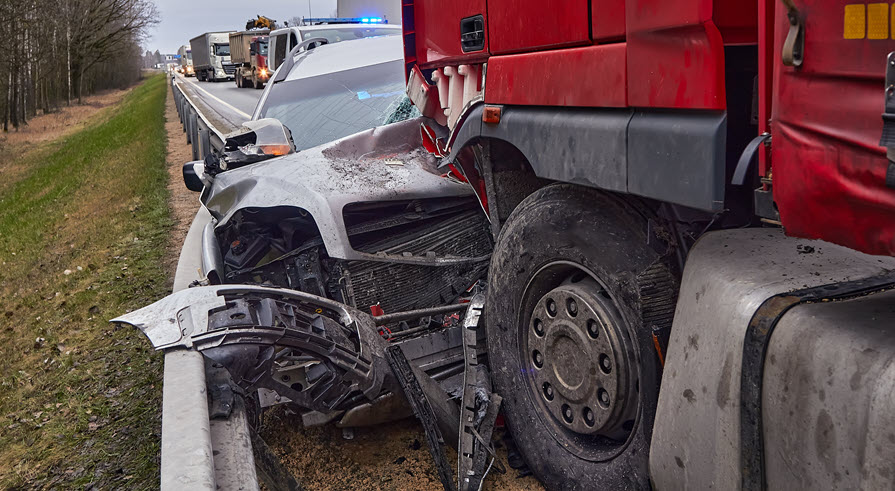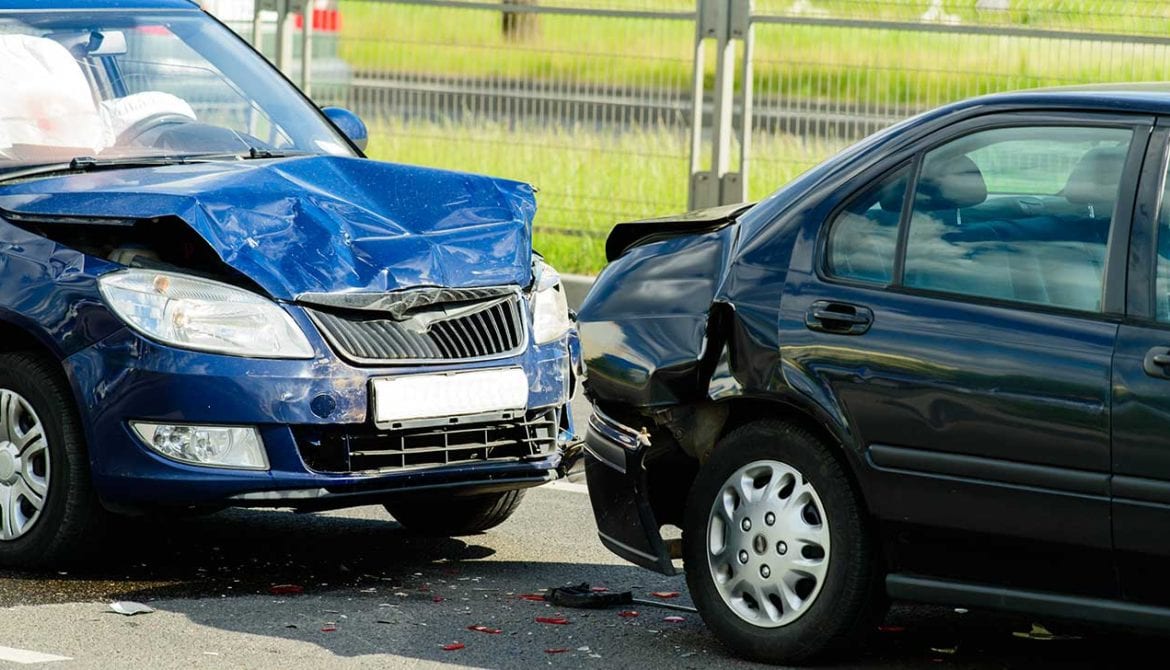
Getting into an Uber or Lyft accident in Texas can turn a routine commute into a legal nightmare in an instant. Because rideshare drivers are classified as independent contractors rather than employees, determining who pays for your medical bills and lost wages is significantly more complex than a standard car crash. Understanding the unique insurance “phases” and Texas liability laws is essential for any victim seeking fair compensation after a collision.
The Complexity of Rideshare Liability in Texas
When you are involved in an Uber or Lyft accident in Texas, the first question is always: “Who is responsible?” Unlike a typical accident involving two private vehicles, rideshare claims involve a web of personal insurance policies, corporate commercial coverage, and specific state statutes.
Texas law, specifically under Texas Insurance Code Chapter 1954, dictates how insurance coverage fluctuates based on the driver’s status at the exact moment of the impact. Because the driver is not technically an “employee” of the rideshare giant, the company is often shielded from direct liability unless specific conditions are met.
The Three “Phases” of Rideshare Insurance
The amount of compensation available depends entirely on the driver’s “app status.” Texas legal experts and insurance adjusters categorize these into three distinct periods:
-
Phase 1: The App is Off. If the driver is using their vehicle for personal reasons, Uber and Lyft provide zero coverage. You must file a claim against the driver’s personal auto insurance.
-
Phase 2: App is On, Waiting for a Request. When a driver is “on the clock” but hasn’t accepted a trip, Uber and Lyft provide contingent liability coverage. This typically includes $50,000 per person for bodily injury and $100,000 per accident.
-
Phase 3: Ride Accepted or Passenger Onboard. This is the “gold standard” of coverage. From the moment a driver accepts a request until the passenger is dropped off, a $1 million commercial liability policy is active.
Who Can Be Held Liable for Your Injuries?
Liability in an Uber or Lyft accident in Texas isn’t always limited to the person behind the wheel of your ride. Texas follows a modified comparative negligence rule, meaning multiple parties can share the blame.
1. The Rideshare Driver
If your driver was speeding, distracted by the app, or ran a red light, they are the primary negligent party. However, because their personal insurance often has a “business use exclusion,” their individual policy might deny your claim, forcing you to look toward the rideshare company’s corporate policy.
2. A Third-Party Driver
Often, the Uber or Lyft driver is the victim of another motorist’s negligence. If a distracted driver rear-ends your Uber, that third party is liable. In these cases, you would file a claim against the at-fault driver’s insurance, though you may still access Uber’s uninsured/underinsured motorist (UM/UIM) coverage if the other driver has insufficient limits.
3. The Rideshare Company (Uber or Lyft)
While difficult, it is possible to hold the company itself liable under “negligent hiring” theories. If the company failed to conduct a proper background check or allowed a driver with a history of DWIs to remain on the platform, they could be held directly responsible for damages.
4. Vehicle Manufacturers or Mechanics
If a mechanical failure—such as a brake malfunction or tire blowout—caused the Uber or Lyft accident in Texas, a product liability claim could be filed against the vehicle manufacturer or the shop that performed faulty maintenance.
Comparison: Rideshare Coverage vs. Standard Texas Auto Insurance
| Feature | Standard Personal Policy (TX Minimum) | Uber/Lyft Phase 2 (Waiting) | Uber/Lyft Phase 3 (Active Ride) |
| Bodily Injury (Per Person) | $30,000 | $50,000 | $1,000,000 (Combined) |
| Bodily Injury (Per Accident) | $60,000 | $100,000 | $1,000,000 (Combined) |
| Property Damage | $25,000 | $25,000 | Included in $1M Limit |
| UM/UIM Coverage | Optional | Often Not Provided | Included ($1 Million) |
Pros and Cons of Texas Rideshare Laws
The Advantages (Pros)
-
High Coverage Limits: The $1 million policy in Phase 3 is significantly higher than what most Texas drivers carry.
-
UM/UIM Protection: Rideshare companies provide a safety net if you are hit by a driver who has no insurance.
-
Strict Regulations: Texas requires rigorous background checks and vehicle inspections for all TNC (Transportation Network Company) drivers.
The Challenges (Cons)
-
Independent Contractor Loophole: It is nearly impossible to sue Uber or Lyft as an “employer” due to driver classification.
-
The “Gap” Period: If an accident occurs in Phase 2, the coverage is much lower and often involves a fight between two insurance companies.
-
App Data Disputes: Companies may argue about the exact second the app was turned on or off to avoid paying a Phase 3 claim.
Steps to Take After an Uber or Lyft Accident in Texas
If you are injured as a passenger or another driver, your actions in the minutes following the crash will determine the success of your claim.
-
Screenshot the App: Immediately capture your ride status, the driver’s name, and the vehicle details. This is the only proof you have of which insurance phase was active.
-
Call 911: A police report is vital. In Texas, a peace officer’s report serves as an unbiased record of the scene.
-
Gather Witness Information: Do not rely on the driver to do this. Get phone numbers from anyone who saw the collision.
-
Seek Medical Attention: Even if you feel fine, adrenaline can mask injuries like whiplash or internal bleeding. In Texas, a delay in treatment can be used by insurers to argue your injuries weren’t caused by the crash.
-
Report the Accident in the App: Both Uber and Lyft have safety portals. Report the incident to trigger their internal investigation.
Real-World Example: The “Phase 2” Dispute
Consider a scenario in Houston where an Uber driver is cruising through Midtown waiting for a fare. He distracted by his phone and hits a pedestrian. Since he hadn’t “accepted” a ride yet, he is in Phase 2. The pedestrian’s medical bills total $80,000.
Because the driver’s personal insurance has a “commercial use” exclusion, they deny the claim. Uber’s contingent policy kicks in, but it only covers up to $50,000 per person. In this case, the victim is left with a $30,000 gap unless they have a skilled attorney to find additional sources of liability.
Compensation You Can Recover
Victims of an Uber or Lyft accident in Texas are entitled to seek “damages”—the legal term for financial compensation. These generally fall into two categories:
Economic Damages
These are tangible financial losses, such as:
-
Hospital and ER bills.
-
Future rehabilitation and physical therapy.
-
Lost wages from time missed at work.
-
Loss of future earning capacity if you are disabled.
Non-Economic Damages
These are subjective losses that impact your quality of life:
-
Pain and suffering.
-
Mental anguish and PTSD.
-
Disfigurement or permanent scarring.
-
Loss of consortium (impact on family relationships).
Conclusion: Don’t Fight the Giants Alone
Navigating an Uber or Lyft accident in Texas is vastly different from a standard insurance claim. You are not just dealing with a driver; you are dealing with multi-billion dollar corporations and their aggressive legal teams. With a two-year statute of limitations in Texas, the clock starts ticking the moment the collision occurs.
By understanding the insurance phases and documenting every detail, you can protect your right to a full recovery. Whether you were a passenger, a pedestrian, or another driver, the law provides a path to compensation—but you must be prepared to prove exactly who was liable.